One-on-one training that builds resilient tissue, explosive power, and speed you can trust on the field.
Getting stronger is only part of getting better. Our one-on-one performance training builds the tissue resilience, reactive strength, and sprint mechanics that let you jump, cut, and sprint with confidence—and keep doing it season after season. Every session is built from your assessment, so whether you're coming back from rehab, chasing a faster first step, or simply want to stay explosive as you get older, the plan starts where your body actually is.
Here's something we tell every athlete on day one: nobody can promise to prevent injuries. Sport is unpredictable, and any program that claims otherwise is overselling. What we can do is build a body that tolerates more. Modern performance science calls this injury mitigation—strengthening the muscles, tendons, and ligaments that absorb force, cleaning up the way you move, and managing how much training load you take on from week to week. We do that with isometric holds, controlled eccentric work, and dynamic joint-stability drills that make your tissue harder to hurt.
The second half of the work is speed. Muscles adapt to how you train them—train slow, and they learn to move slowly. That's why we put real emphasis on the stretch-shortening cycle: plyometric work that pairs a rapid lengthening with an immediate, explosive contraction, teaching your body to store and release elastic energy. On top of that come sprint mechanics, sled work, and overspeed drills, because a bigger squat alone doesn't make a faster sprinter. Speed is a skill, and we coach it like one.
Movement screen, strength and power baselines, and an honest look at your training history
Priorities set in order: tissue capacity, movement quality, then power and speed
Isometrics, eccentrics, and stability work that give your body a foundation to load
Plyometrics, sled sprints, and sprint mechanics once your tissue is ready for them
Retest, adjust the load, and leave with work to do between sessions
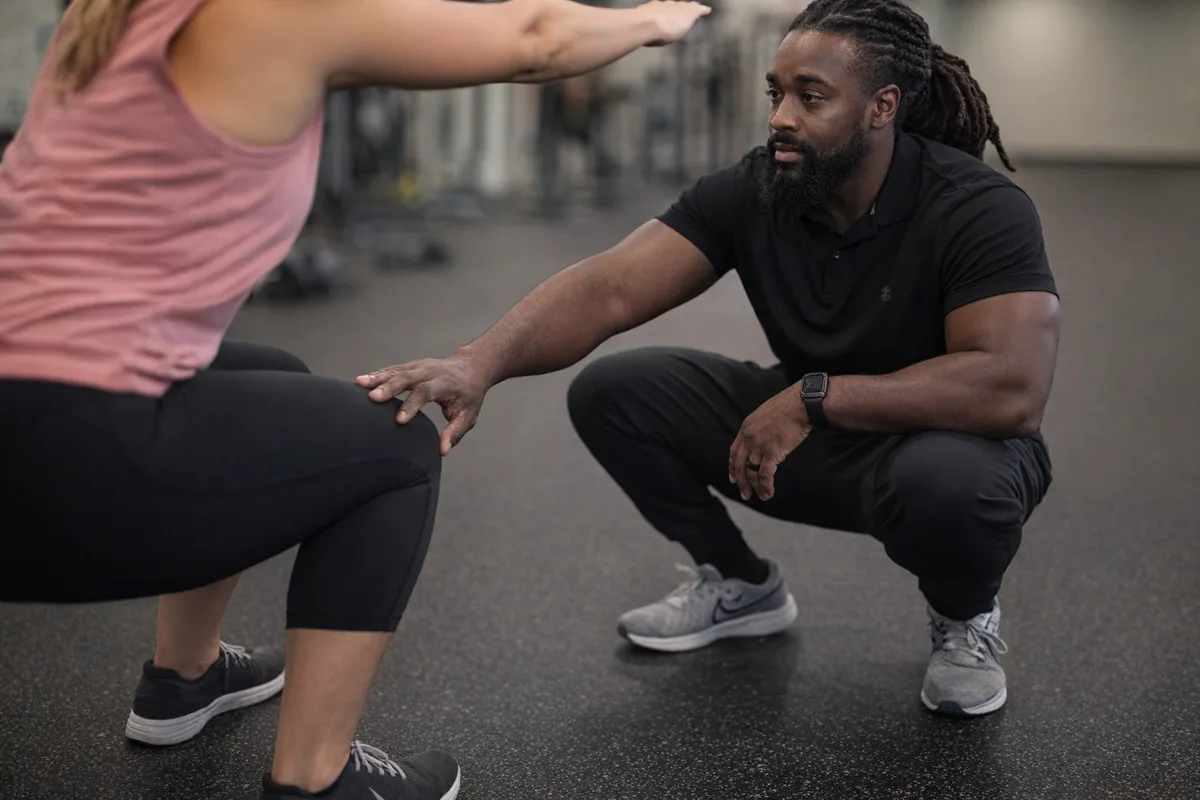
Movement Quality
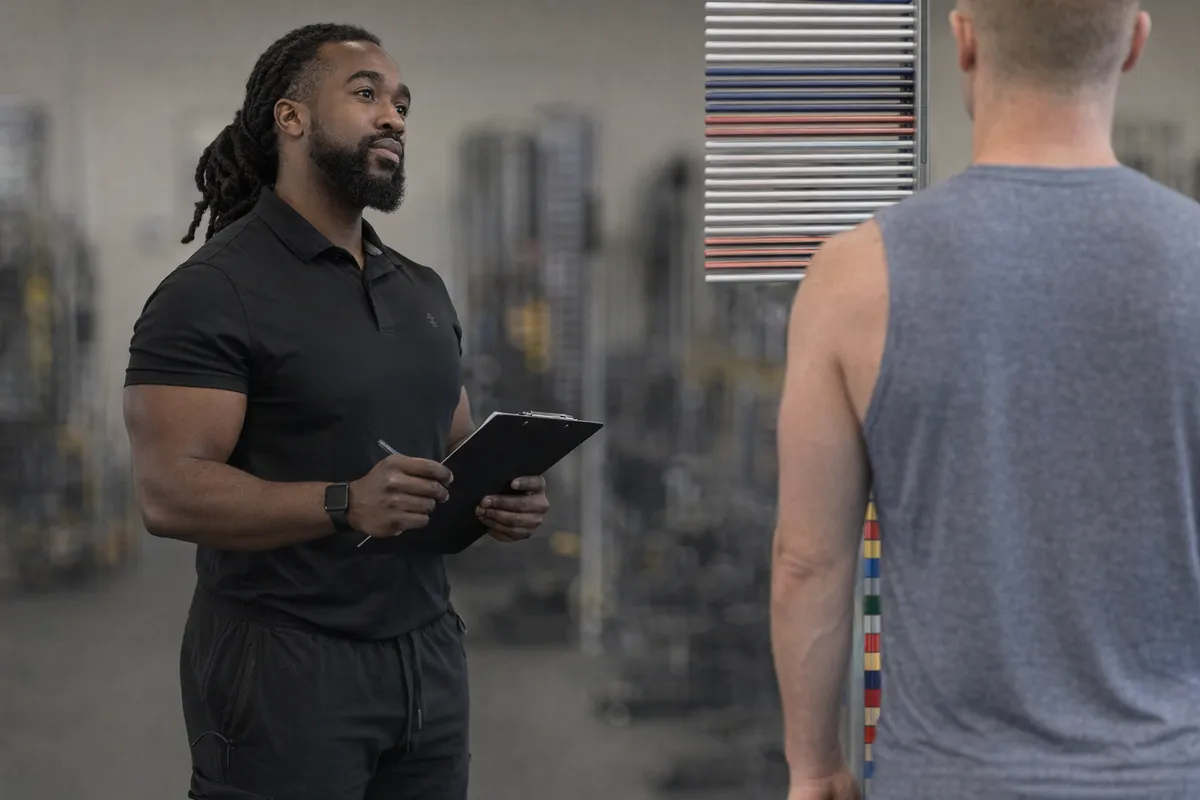
Assessment-Driven Training
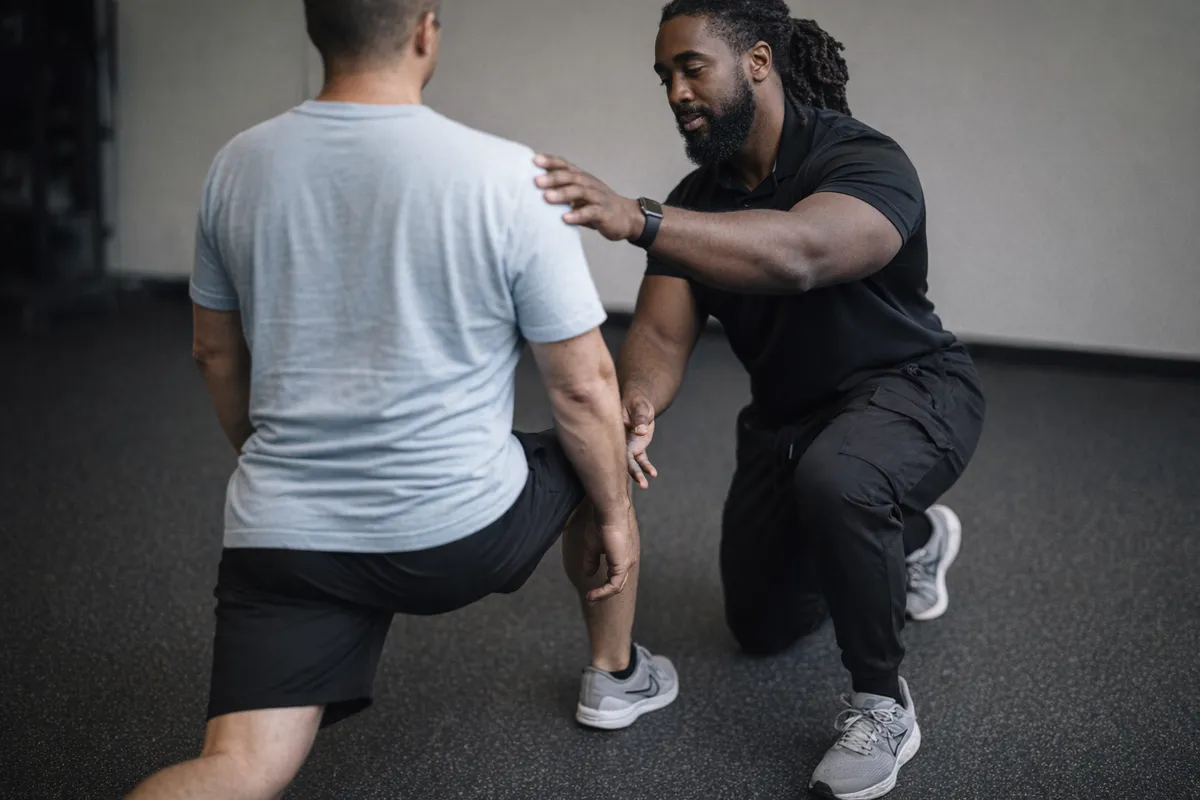
Coached One-on-One
Bridge the gap between cleared to play and ready to compete
Turn weight-room strength into on-field speed and explosiveness
Sharper cutting, jumping, and sprinting for sports that demand all three
Stay durable and explosive for the sports you love, with fewer setbacks
Start with an assessment and we'll build a plan that respects where your body is today.
We're careful with that word. No program can prevent injuries in a sport where contact, fatigue, and bad luck are part of the game. What performance training does is mitigate risk: stronger tendons and ligaments handle more force, better movement patterns put less strain in the wrong places, and sensible load management keeps you from doing too much too soon. Think of it as raising the amount of stress your body can absorb before something gives.
Often, yes—and it can be one of the best times to start. We begin with an assessment, and if you're working with a physician or physical therapist, we follow their clearance and restrictions. The early weeks focus on tissue capacity and movement quality before any high-velocity work, so you build the base first. If we see something that needs medical attention, we'll tell you.
Sessions are 60 minutes, one-on-one, at $90, and an 8-session package is $640. New clients start with a $125 initial assessment so we can set your baselines and build the plan. Sessions can stand on their own or run alongside your rehab, stretching, or massage appointments.
Because strength and speed are different qualities. Getting stronger raises your ceiling, but muscles adapt to how you train them—if nothing in your program moves fast, your body learns to move slowly. Plyometrics train the stretch-shortening cycle so you produce force quickly, and sprint mechanics, sled work, and overspeed drills teach you to put that force into the ground efficiently. The heavy lifting still matters; it's just not the whole picture.
Not sure whether you need rehab, activation work, or performance training first? Reach out and we'll help you find the right starting point.
Contact Us Today